The Actual Highest Peak in Southern Africa
Via the Drakensberg Mini Traverse. Five days. 18 to 22 kilometres a day. And not a single one of them easy.
Here is the thing about mountains. You can have climbed a great many of them and still be completely humbled by one you did not see coming.
I have done quite a few in my lifetime. Kilimanjaro in Tanzania. Breithorn in Switzerland. Most recently, Everest Base Camp in Nepal. And countless peaks across the Drakensberg, north, central, and south. Believe me when I say none of them compare to the monstrous thing that was this traverse.
Before we go further, let me clear something up. Some people claim a traverse means making your own path through unmarked terrain. But the dictionary and the wider climbing and mountaineering community tell a different story. A traverse means climbing across a path rather than directly up. Which is a blessing, in theory. It does not mean you never climb. It means that instead of going straight up the mountain face, you move around it. That distinction will become very important.
On Comparing Mountains
Comparison is the thief of joy in most areas of life. In mountaineering it is simply not done, especially when rating the ease or difficulty of terrain. There are too many variables on each peak that make any comparison null and void.
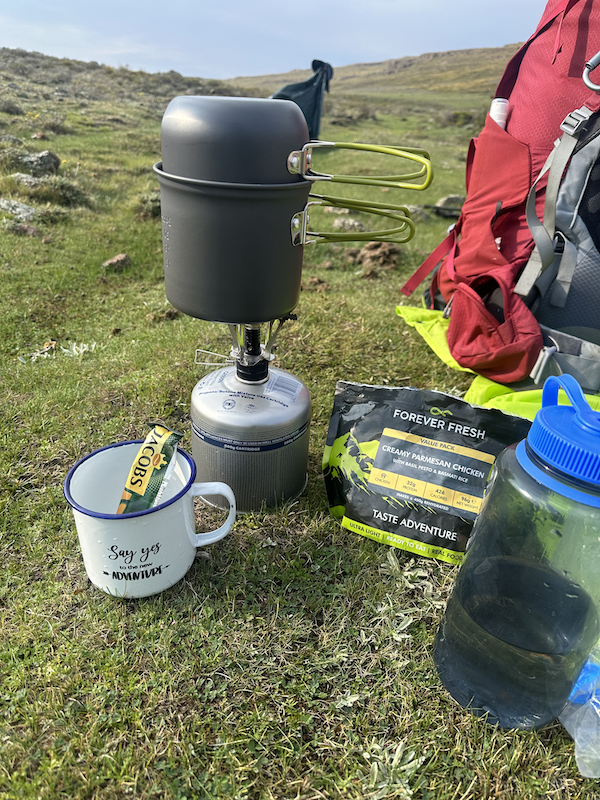
Take Kilimanjaro. It is, without question, a five-star mountain experience. They bring hot coffee and Milo to your tent in the mornings. During some lunches a dome is erected and a hot meal is cooked for you. A warm little tub arrives so you can actually bathe. You are treated like a five-star guest on Africa's highest mountain. I have yet to experience that standard anywhere else in the world. It simply does not happen. On most treks you go completely natural, and you know exactly what that means.
But I digress. The point is this: do not come to the Drakensberg Mini Traverse expecting any category of comparison to help you prepare. Nothing quite will.
The Approach
What made this traverse uniquely brutal was the approach. Most people who want to reach Thabana Ntlenyana, the actual highest peak in Southern Africa, start from Sani Pass. A single day hike or an overnight to the peak and back. Some climbing involved, as expected, but manageable.
We did not do that.
We started in the south of KwaZulu-Natal, heading into Giants Castle. The moment I understood what that meant, I thought it was a joke. Surely we were not actually expected to reach there first. We were.
— DAY 1 —
The Long Way Up
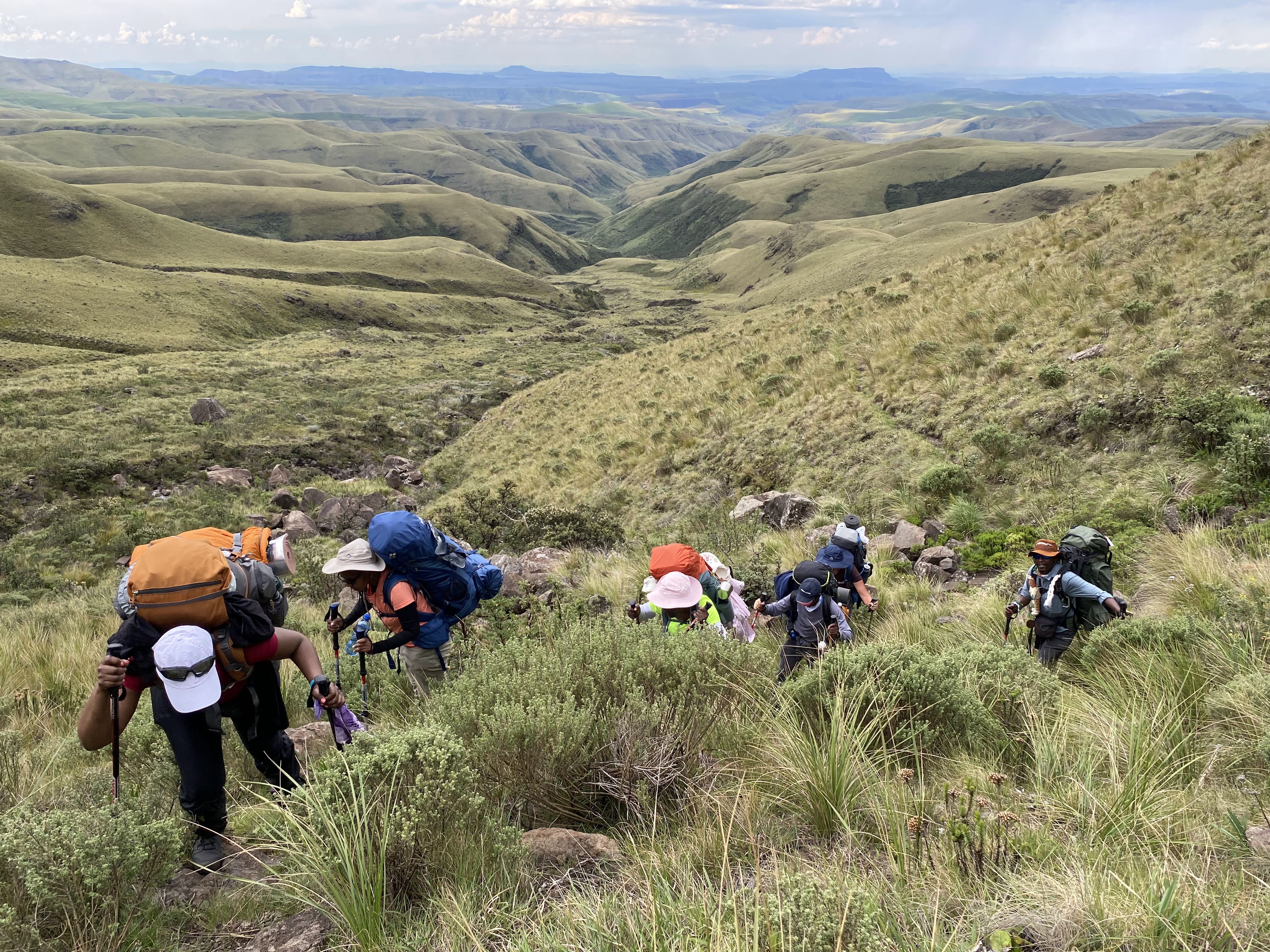
The first day was a long way up. I do not usually complain on mountains. I am not that person. But I complained the entire way. Loudly. Continuously. In my defence, I was not as fit as I should have been, and the mountain had no interest in accommodating that fact. We reached camp well into the night, exhausted, and ready to die a little.
— DAY 2 —
Brutal. I Mean Brutal.
The second day we still had to reach Giants Peak, which was where we were meant to have arrived the previous day. Please do not ask me how that happened.
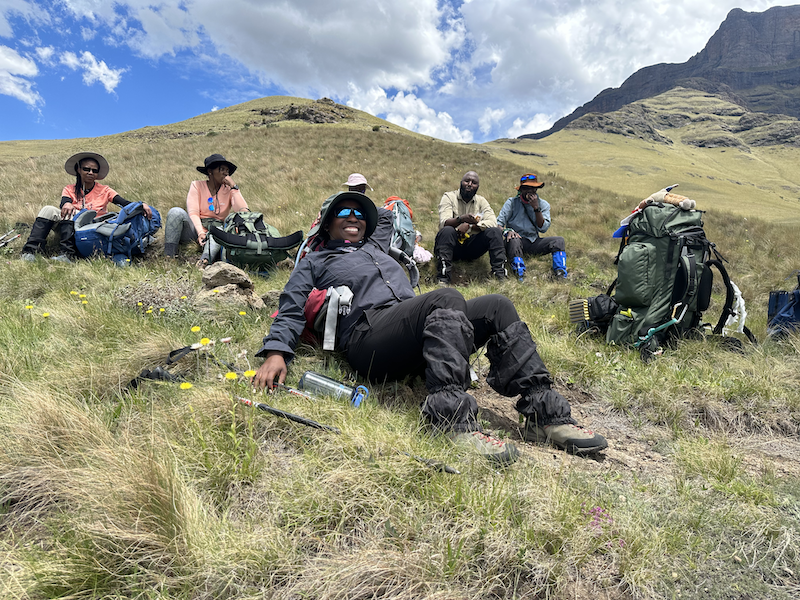
To do the summit and then still have a full day of 20 kilometres on your feet is something I struggle to fully describe. At one point the entire traverse nearly ended when someone in the group sustained an injury. The rule is simple and unforgiving: if one person cannot continue, everyone goes home. That was not an option anyone was willing to accept. So we kept moving.
At some point I was so tired I became emotional. Genuinely emotional, on a mountain, for no reason I could identify. I later discovered the reason was that I was just tired. Laughs in pain.
— DAY 3 —
Still Going
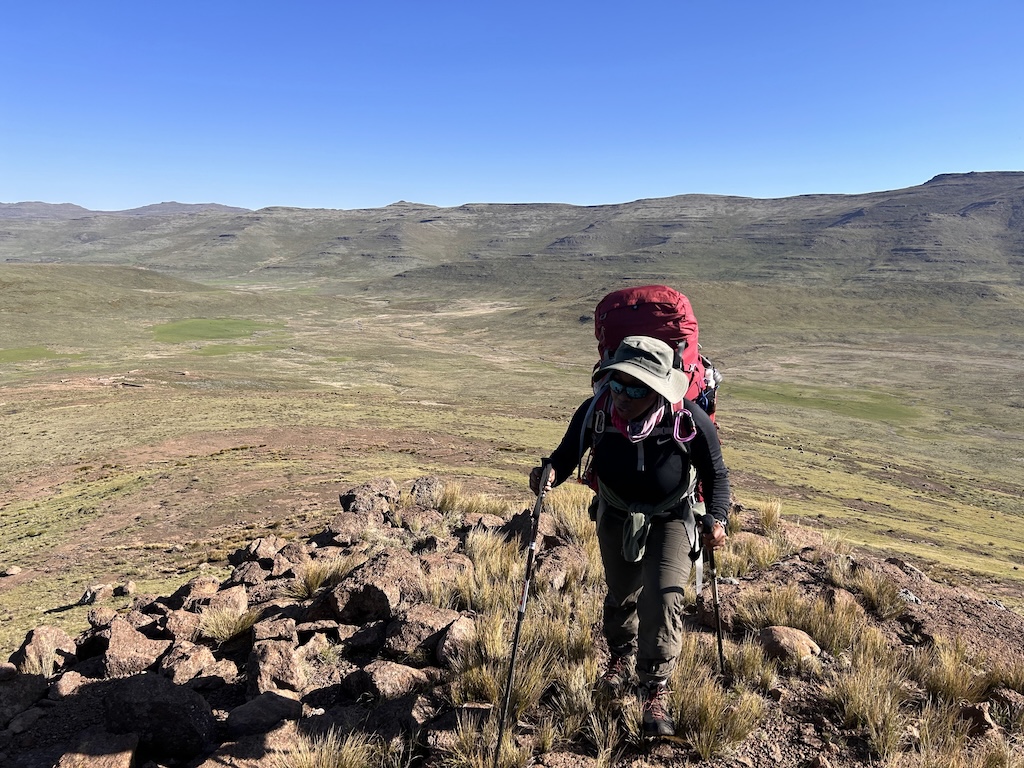
Twelve to fourteen hours on our feet each day. Between 18 and 22 kilometres. Day 3 continued in that same spirit. The route is not common. It is not well-worn. But the Drakensberg never once failed to deliver its beauty, its majesty, and the purest water I have ever drunk directly from the earth.
— DAYS 4 AND 5 —
The Mountain Relents, Slightly
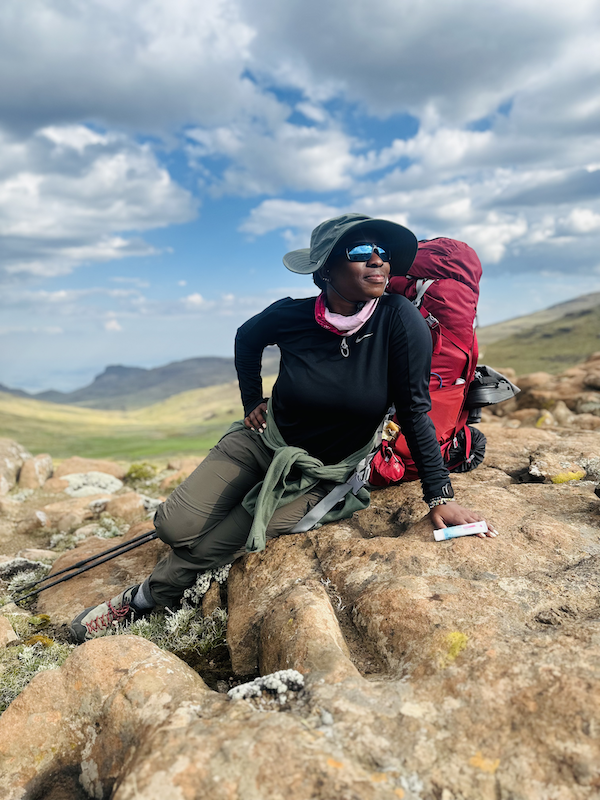
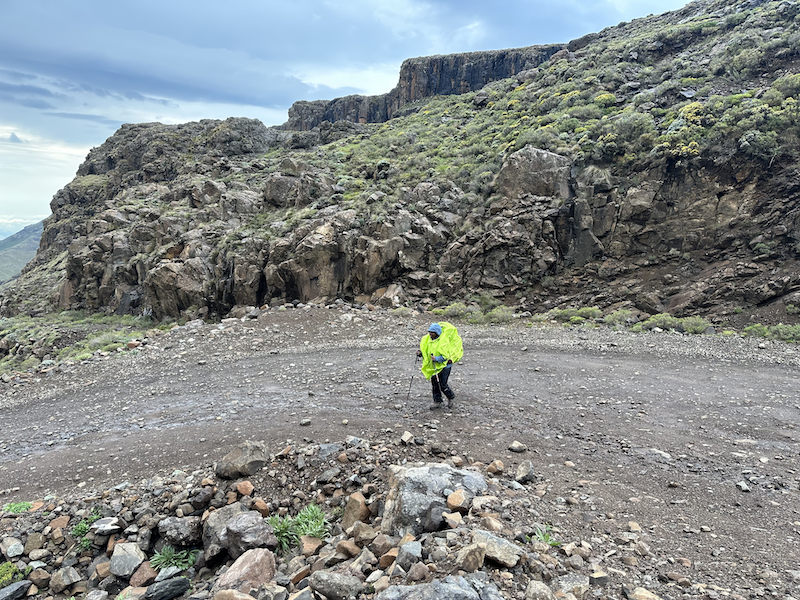
Days 4 and 5 were a little more forgiving. A little. We ended from Sani Pass, one of the most beautiful mountain passes I have ever seen. It does not matter how many pictures you upload, none of them will catch the full majesty of Lesotho and the Drakensberg meeting at that point. You simply have to be there.
Then back into South Africa, somehow, with energy to spare.
TIP: This route is not common and not marked for casual hikers. If you are planning the full traverse from the south rather than starting at Sani Pass, go with an experienced guide and do not underestimate the daily distances. Your fitness level matters enormously here.
Upon return I was sunburnt, sore in every fibre of every muscle, and hungry for exactly one thing: a Coke and a good old burger. My favourite post-hike meal. Non-negotiable.
Would I do it again? Ask me after the burger.
The Drakensberg always delivers. Every single time.
See below gallery