
Let me be very clear about something upfront: a bad backpack will ruin your life on a mountain. Not in a dramatic way. In a slow, insidious, shoulders-are-screaming, hips-are-bruised, back-is-done way that makes you question every decision that led you to this trail.
I have three packs and each one has a very specific job. None of them are interchangeable. Here is exactly what I think of all three, after years of actual use on actual mountains.
No sponsored content. No affiliate links. Just the honest truth from someone whose body has had to live with these decisions.

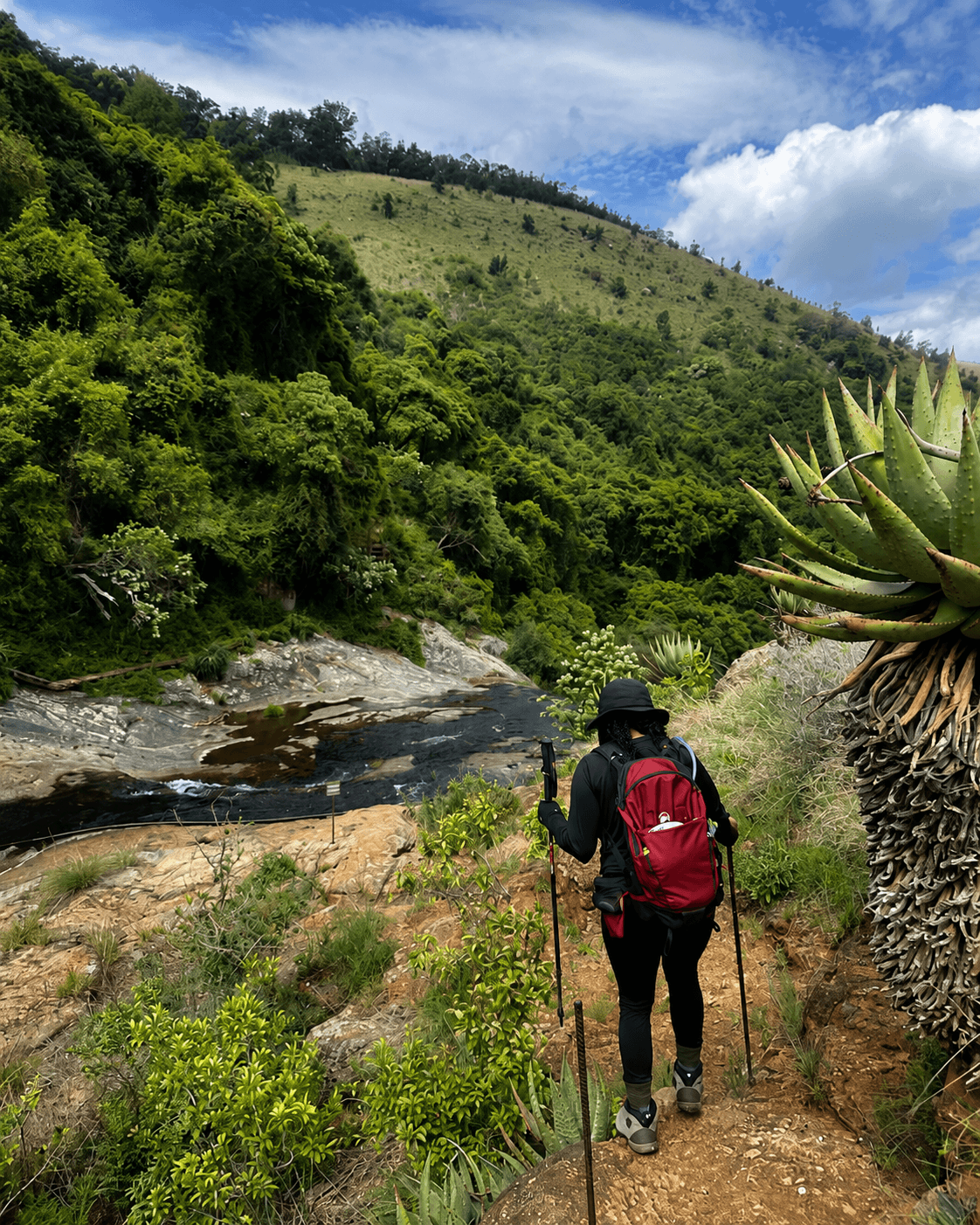
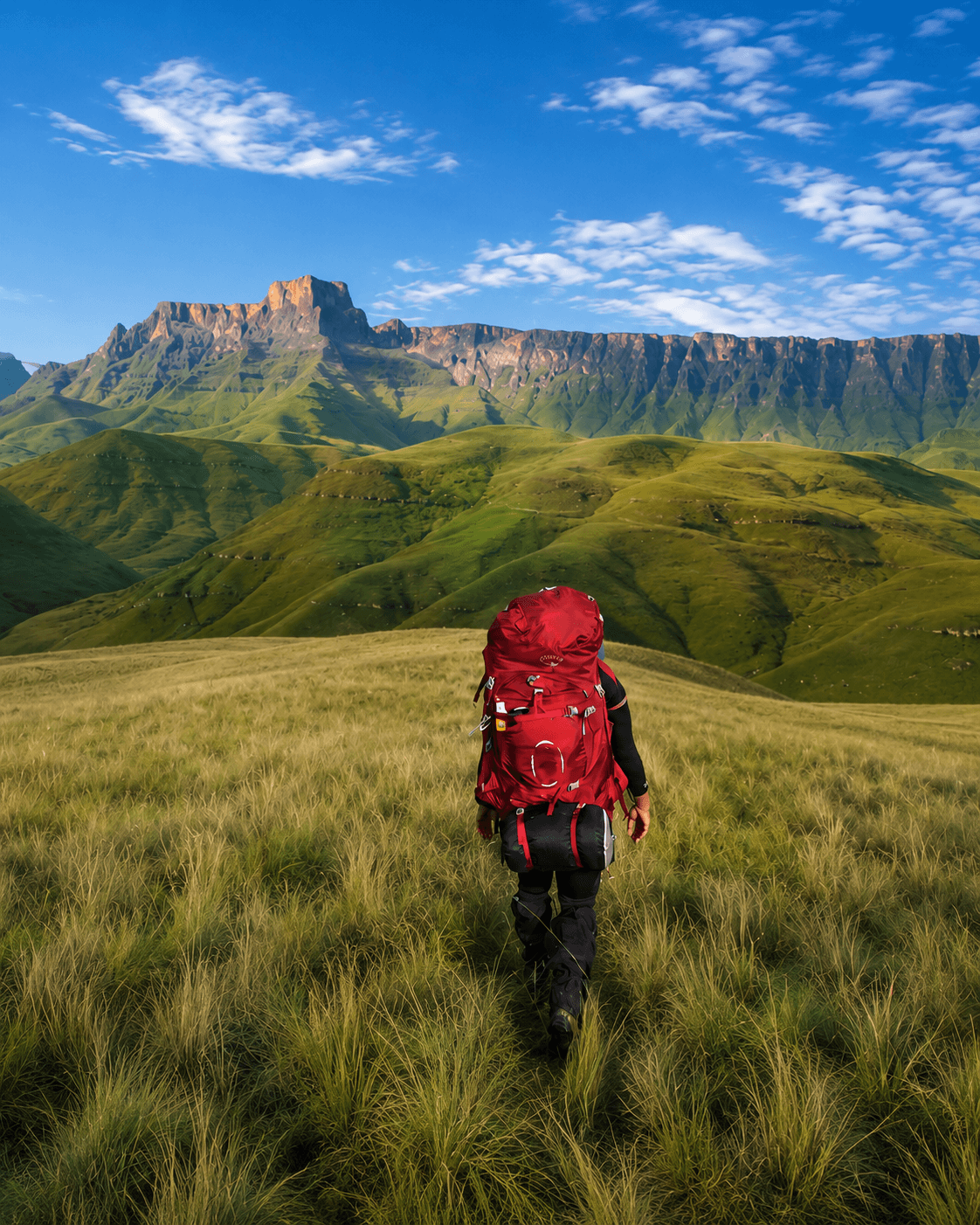
The science of packing a multi-day bag
Hips first
Your hip belt carries 70% of the load. If your shoulders are screaming, your hip belt is not tight enough. Adjust before you blame the pack.
Heavy high and close
Heaviest items go closest to your back and as high as possible. This keeps your centre of gravity where it belongs and stops the pack pulling you backwards.
Rain gear on top
Your raincoat and rain pants go in last, right at the top. The mountain will not warn you before it rains. You need them in thirty seconds flat.
Sleeping bag at base
Sleeping bag goes in first at the very bottom. You will not need it until camp. Let it cushion the base and free up prime real estate for heavier gear.
Pack for the weather
Never assume. Pack thermals even in summer at altitude. The difference between a warm layer and hypothermia is sometimes just the hour of day and the wind picking up.
Test before the trail — this one matters more than you think
Loading your pack at home and actually walking in it are two completely different things, and the gap between them is where most people get into trouble on the trail.
Before any multi-day hike, pack your bag exactly as you plan to carry it and go for a proper walk. Not a stroll to the kitchen. A real walk, ideally on uneven ground, for at least 30 to 45 minutes. Feel where the weight sits. Feel where it rubs. Feel what is pulling and what is not.
Then adjust everything. Loosen and retighten the hip belt so it sits on your hip bones, not your waist. Bring the shoulder straps in so the pack rides close to your back. Tighten the load lifters at the top of the shoulder straps to pull the top of the pack toward your shoulders. Walk again. Adjust again. Repeat until it feels like the pack is part of you, not fighting against you.
Here is why this matters so much: once you are on the trail, especially on a multi-day, opportunities to make meaningful adjustments become very limited. You are in the middle of nowhere, your fellow hikers are moving, the terrain is demanding your attention, and the last thing you want to be doing is trying to figure out why your left hip is on fire three hours in. That is a problem you should have solved in your garden two days ago.
Your body needs time to adapt to carrying weight. Even a well-fitted pack feels strange the first time you put it on loaded. The muscles that stabilise your core, hips, and shoulders need warming up to the task. One proper test walk gives your body a preview, flags any fit issues while you still have the luxury of fixing them, and means your first steps on the actual trail are confident ones.
Do not skip this step. Your spine will thank you by day two.